A 6 Days Rongai Route Kilimanjaro Trek is one of the most unique ways to climb Mount Kilimanjaro. Unlike other routes that approach from the south, the Rongai Route ascends from the northern side near the Kenyan border, making it quieter, drier, and less crowded throughout the journey.
This route is ideal for trekkers who prefer a more remote and gradual ascent. It offers excellent chances of successful summit completion due to its steady climb profile and lower rainfall compared to other Kilimanjaro routes. The descent is done via the Marangu Route, allowing climbers to experience two different sides of the mountain.
Rongai is known for its peaceful wilderness, wildlife encounters in the early stages, and stunning views of the Kenyan plains before entering Kilimanjaro’s alpine zones.
Why Choose the Rongai Route
The Quietest Kilimanjaro Route
Rongai is one of the least crowded routes on Kilimanjaro, offering a more private and peaceful trekking experience.
Drier Weather Conditions
Because it is located on the northern side of the mountain, Rongai receives less rainfall, making it a good option even during wetter seasons.
Gradual and Steady Ascent
The route has a gentle slope compared to Umbwe or Machame, which improves acclimatization and increases summit success rates.
Unique Scenery
Trekkers enjoy views of Kenyan plains, alpine desert, and volcanic landscapes with fewer crowds on the trail.
6 Days Rongai Route Itinerary
Day 1: Rongai Gate to Simba Camp
Trek Through Farmland and Forest
Your journey begins at Rongai Gate after registration and briefing. The trail passes through cultivated farmland and gradually enters pine forest. The environment is quiet and peaceful, with chances to see wildlife such as colobus monkeys and various bird species.
Gentle but Continuous Ascent
The hike is steady and less steep compared to other routes, allowing climbers to adjust gradually to altitude changes.
Overnight at Simba Camp
You arrive at Simba Camp located near the edge of the moorland zone for dinner and overnight stay in tents.
Day 2: Simba Camp to Second Cave Camp
Transition to Moorland Zone
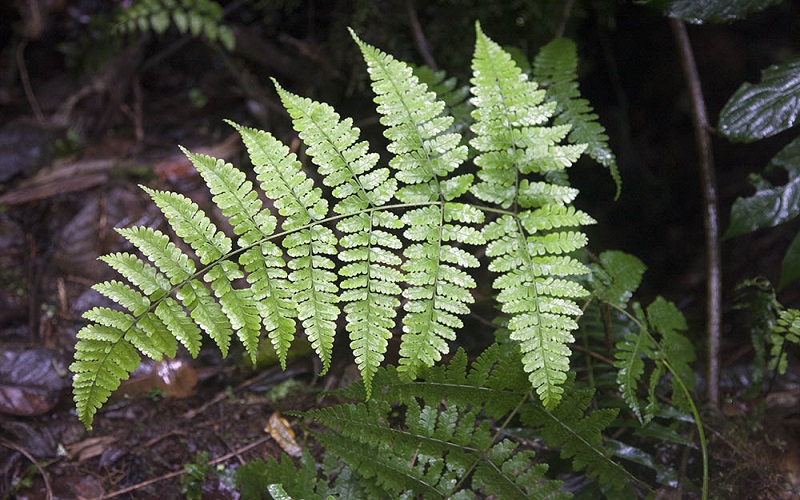
The forest gradually gives way to moorland vegetation, including giant heathers and alpine plants.
Scenic Views of Kenyan Plains
On clear days, you may see panoramic views of the Kenyan plains stretching far into the distance.
Arrival at Second Cave Camp
You arrive at Second Cave Camp for rest and acclimatization in a peaceful mountain environment.
Day 3: Second Cave Camp to Kikelewa Camp
Increasing Altitude and Landscape Change
The trail becomes steeper as you move deeper into the mountain. Vegetation becomes sparse, and the terrain turns more rugged.
Mawenzi Peak Views
As you approach Kikelewa Camp, dramatic views of Mawenzi Peak begin to dominate the landscape.
Overnight at Kikelewa Camp
You rest in tents surrounded by alpine scenery and open skies.
Day 4: Kikelewa Camp to Mawenzi Tarn Camp
Short but Steep Ascent
Today’s hike is shorter but steeper as you approach higher altitude zones.
Arrival at Mawenzi Tarn
Mawenzi Tarn Camp is located in a dramatic cirque beneath Mawenzi Peak, offering one of the most scenic camps on Kilimanjaro.
Acclimatization Hike
In the afternoon, you may take a short acclimatization walk to improve summit preparation.
Day 5: Mawenzi Tarn to Kibo Hut
Crossing the Saddle
The trail crosses the wide alpine desert known as the “saddle” between Mawenzi and Kibo peaks.
Harsh Alpine Conditions
Vegetation disappears almost completely, replaced by volcanic rock and dry terrain.
Arrival at Kibo Hut
Kibo Hut is the final base camp before summit night. Climbers rest early to prepare for the midnight ascent.
Day 6: Summit Day – Kibo Hut to Uhuru Peak to Horombo Hut
Midnight Summit Attempt
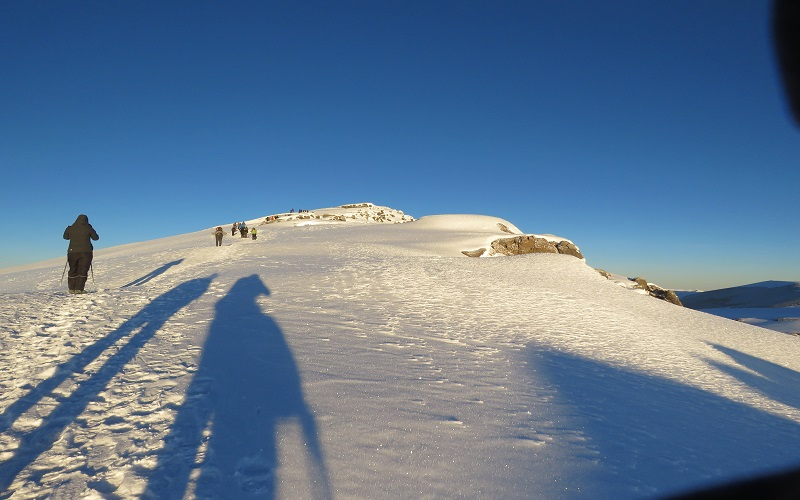
The climb begins around midnight under cold and dark conditions. Using headlamps, climbers ascend steep volcanic scree toward Gilman’s Point.
Reaching Uhuru Peak
After several hours of effort, you reach Uhuru Peak, the highest point in Africa at 5,895 meters. This moment marks the ultimate achievement of your climb.
Descent to Horombo Hut
After a short celebration, you descend to Kibo Hut for rest and continue down to Horombo Hut for overnight stay.
Day 7: Horombo Hut to Marangu Gate
Final Descent
The trail descends through moorland and rainforest zones, where oxygen levels feel higher and temperatures warmer.
Celebration at Marangu Gate
At the gate, you receive your summit certificate and celebrate your successful climb.
Transfer to Hotel
You are transferred back to Moshi or Arusha for rest and recovery.
Vegetation Zones on Rongai Route
Cultivated Farmland
Fertile areas near the base of the mountain with small farms and villages.
Rainforest Zone
Dense forest with monkeys, birds, and rich biodiversity.
Moorland Zone
Characterized by giant heathers and unique alpine plants.
Alpine Desert
Dry, rocky terrain with extreme temperature changes.
Arctic Summit Zone
Ice, snow, and strong winds near the summit area.
Difficulty Level
The Rongai Route is considered:
- Moderate difficulty
- Gradual ascent profile
- High summit success rate
- Suitable for beginners with good fitness
Its steady incline makes it one of the best routes for acclimatization.
Best Time to Climb
January to March
Clear skies and colder conditions with fewer climbers.
June to October
Dry season with stable weather and excellent summit conditions.
November and April–May
Rainy seasons with more challenging trekking conditions.
What to Pack
- Warm layered clothing
- Waterproof jacket
- Hiking boots
- Gloves and warm hat
- Sleeping bag (cold-rated)
- Headlamp
- Trekking poles
- Sunscreen and sunglasses
Final Thoughts
A 6 Days Rongai Route Kilimanjaro Trek is one of the most peaceful and scenic ways to reach the summit of Mount Kilimanjaro. With its dry conditions, gradual ascent, and fewer crowds, it offers an excellent balance between challenge and comfort. This route is ideal for climbers who want a quieter wilderness experience while still achieving the unforgettable goal of standing on Uhuru Peak, the highest point in Africa.
Tour Includes/Excludes
Cost Includes
- ✓ Transport
- ✓ Private transport to and from Kilimanjaro International Airport to your accommodation in Moshi
- ✓ Transport to and from the Kilimanjaro gate
- ✓ Accommodation 2 nights before & after climbing
- ✓ Park fees and permits
- ✓ Camping fees
- ✓ Team Kilimanjaro rescue fees
- ✓ 18% VAT on tour fees and services
- ✓ Mountain crew service
- ✓ Friendly & professional mountain guides, cook & porters
- ✓ Fair wages for mountain crew, as approved by Kilimanjaro National Park Authority (KINAPA) and Kilimanjaro Association of Tour Operator (KIATO)
- ✓ Government taxes
- ✓ Food & water
- ✓ 3 meals daily while on the mountain
- ✓ Hot water & washing
- ✓ Safety equipment
- ✓ Portable oxygen tank
- ✓ Emergency first aid kit
- ✓ Mountain climbing certificate: Gold for reaching Uhuru Peak & Green for reaching Stella Point
Cost Excludes
- ❌ International flights to/from Tanzania
- ❌ Tanzania visa fees
- ❌ Travel insurance (medical & evacuation)
- ❌ Tips for driver-guide and camp staff
- ❌ Alcoholic drinks and soft drinks (sodas, beer, wine)
- ❌ Optional activities (hot air balloon safari, Maasai village visit)
- ❌ Personal expenses (souvenirs, laundry, phone calls)
- ❌ Sleeping bag rental (for budget camping safaris)
- ❌ Crater service fee (Ngorongoro sometimes excluded depending on quote)
- ❌ Extra accommodation before/after safari (hotel in Arusha/Moshi)